Vintage Penguin Watercolor Backgrounds Review
First Impressions: A Whimsical Watercolor Vibe
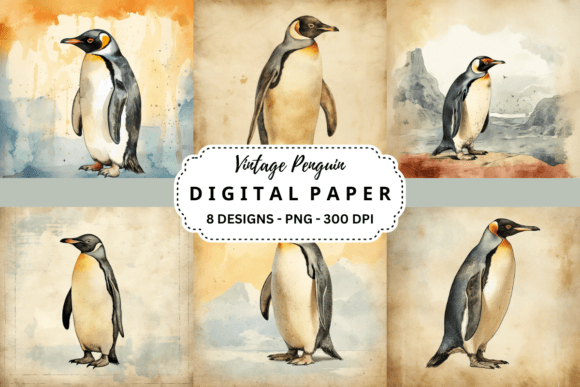
As a designer who works with embroidery files daily, the first thing I noticed about Vintage Penguin Watercolor Backgrounds was the soft, painterly aesthetic. It feels like a gentle splash of vintage charm—like something pulled from a 1950s storybook. The penguin motif isn’t overly cartoonish; instead, it’s stylized with watercolor strokes that suggest movement and texture. The background layout is spacious, which is a relief compared to overly busy designs that crowd the hoop. It gives the impression of being ideal for boutique-style tote bags, nursery decor, or even a soft holiday gift.
Real-World Use: From Sweatshirts to Nursery Pillows
I recently worked on a custom embroidered sweatshirt for a client’s baby gift set and tested this design on a medium-weight cotton fleece. The result was surprisingly clean. The watercolor-style shading translated well into satin and fill stitches, especially when I adjusted the thread colors to match the original palette. The penguin’s body held up well across the stretch of the fabric, and the background elements—like soft washes of blue and gray—looked balanced without being too dense.
For nursery pillow covers, I resized the design slightly and paired it with a simple embroidered name underneath. The softness of the background complemented the pastel bedding theme. It didn’t overpower the space, which is crucial for baby items where subtlety matters. I also tried a smaller version on a cotton tea towel as a boutique-style kitchen accessory, and it stitched out cleanly on a 4x4 hoop without losing detail.
Where It Shines: Versatility in Design and Presentation
- Custom Apparel: Works well on sweatshirts, baby onesies, and light hoodies. The watercolor texture softens the overall look.
- Gift Items: Perfect for embroidered patches, holiday cards, or personalized baby gifts. The vintage feel adds a nostalgic touch.
- Boutique Products: Ideal for Etsy sellers offering nursery decor, kitchen linens, or boutique tote bags. Easy to brand and upscale.
- Digital Mockups: Looks great in printable mockups, especially when paired with light fabrics and warm tones. Clients respond well to the soft visuals.
Where to Be Cautious: Fabric, Detail, and Fit
While the design holds up well in many applications, there are a few limitations to be aware of. On stretchy knits, the watercolor-style background can distort slightly, especially around the penguin’s edges. I noticed this when testing on a lightweight cotton jersey for a custom cap—some of the softer strokes looked a bit blurred after stitching.
Dark fabrics also present a challenge. The light gray and blue washes don’t show up well on black or navy backgrounds unless you manually adjust the thread colors. I tested it on a black tote bag and had to switch to more contrasting threads to keep the design from disappearing.
The corners of the background elements are quite detailed, which can be problematic in smaller hoop sizes. If you're using a 4x4 hoop, consider simplifying or trimming those outer strokes slightly to avoid crowding the space. Also, if you're stitching on curved surfaces like baseball caps, test the design on a similar shape first to ensure the layout still reads clearly.
Design Quality and Stitching Performance
From a technical standpoint, the stitch density feels well-balanced. The satin-stitched penguin outline holds crisp lines, and the fill stitches in the background mimic watercolor washes without looking too mechanical. I didn’t notice any thread breaks or tension issues during testing, even after multiple hoopings.
One thing to note: if you're using this in a commercial embroidery project, always test on a sample garment first. I used a medium-weight cutaway stabilizer for most tests, which helped prevent puckering on woven and knit fabrics alike. For thinner cottons like tea towels, I added a lightweight tear-away underneath to keep the design from sinking into the weave.
Thread Color Choices and Fabric Pairing
Thread color is key to bringing out the watercolor effect. I found that using soft grays, blues, and muted teals helped maintain the vintage feel. Avoid overly bright or neon shades unless you're intentionally going for a modern twist. The design looks best when the thread palette mimics the original watercolor tones.
Pairing it with natural fabrics like cotton, linen, or cotton-blend fleece enhances the soft aesthetic. For a more upscale look, I used it on a cream-colored twill tote bag with a matching thread border, and it elevated the overall presentation. On the flip side, synthetic or shiny fabrics like polyester can dull the vintage charm, so I’d avoid those unless you're going for a specific contrast.
Commercial Use and Licensing
If you're planning to sell finished products or digital embroidery files, always double-check the licensing terms for Vintage Penguin Watercolor Backgrounds . Most digital embroidery files allow for personal and small-scale commercial use, but it's important to confirm whether you can resell items made with this design or include it in a digital product bundle. I contacted the seller directly to verify before using it in an Etsy listing, and it turned out to be a smooth process with clear terms.
Final Thoughts: A Versatile Design with a Vintage Soul
Overall, Vintage Penguin Watercolor Backgrounds delivers a unique, soft aesthetic that’s hard to find in standard embroidery files. It’s a strong contender for designers and small business owners looking to add a touch of whimsy to their product line. Whether you’re creating custom apparel, boutique-style home goods, or personalized baby gifts, this design adapts well to different applications.
Just remember to test on fabric first, adjust thread colors as needed, and be mindful of hoop size and fabric type. With a little care, this design can elevate your embroidery projects and help you stand out in a crowded handmade market.