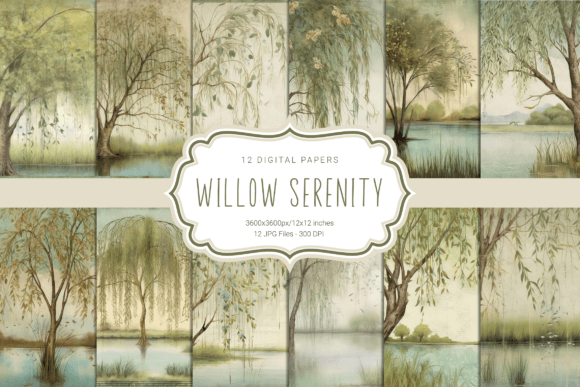
Willow Serenity: A Designer’s Honest Review for Real Embroidery Projects
First Impressions: Soft, Calming, and Versatile
When I first opened the Willow Serenity design file, I was struck by how it radiates a gentle, organic feel. It's the kind of background design that works quietly but powerfully—like a breath of fresh air in a finished embroidery piece. The layout is spacious, with flowing lines and subtle texture that suggests movement without being overwhelming. It's clearly crafted for those looking to add a soft, natural backdrop without distracting from the main subject of the embroidery.
From a design standpoint, Willow Serenity feels like it belongs in projects that aim for a peaceful, nature-inspired vibe. Whether it's a personalized tote bag or a custom baby onesie, this background design adds depth without competing for attention. That’s a rare quality in background embroidery files.
Real-Life Use: From Sweatshirts to Nursery Decor
I tested Willow Serenity on a few different project types to get a real sense of its versatility. First up: a custom embroidered sweatshirt. I placed the design behind a small monogram, and the result was exactly what I hoped for—soft framing that elevated the overall look without stealing the spotlight. The stitch density felt balanced, and the flow of the pattern complemented the casual, cozy texture of the sweatshirt fabric.
Next, I used it in a baby gift project—a personalized burp cloth with a tiny embroidered name. Willow Serenity added a touch of elegance without being too busy, which is perfect for baby items where simplicity and softness are key. The background didn’t trap lint or cause any issues with washing, which is always a concern with baby gear.
For a small shop project, I stitched it behind a holiday-themed embroidered patch. The background gave the patch a more premium, handmade feel. I could easily see this being used in Etsy listings or boutique merchandise where presentation matters.
Where to Use It Carefully
Like any background design, Willow Serenity has its sweet spots—and places where it needs a little extra thought. I wouldn’t recommend it for very small hoop sizes. The subtle textures and flowing lines start to lose definition when scaled down too much, especially on items like baby caps or curved surfaces like baseball hats.
On textured or stretchy fabrics like knits or fleece, I noticed slight puckering in the background fill areas if the stabilizer wasn’t applied properly. This isn’t a flaw in the design itself, but it does require attention to stabilizer choice and hooping technique.
Dark fabric backgrounds also change the mood of the design. I tested it on black cotton, and while it stitched cleanly, the contrast muted the softness that makes Willow Serenity special. If you're going for a bold look, that might be exactly what you want—but if you’re aiming for serenity, stick with lighter tones.
Impact on Product Appeal and Customer Trust
One of the most important aspects of any background design is how it affects the overall presentation of a finished product. Willow Serenity elevates the perceived value of an embroidered item without overshadowing the main design. It gives a subtle sense of craftsmanship, which is huge when you're selling handmade goods or custom embroidery as a service.
From a branding perspective, this design works well for shops that want to maintain a consistent visual identity across different product types. Whether you're embroidering a boutique tote or a personalized kitchen towel, Willow Serenity adapts well and maintains a professional finish.
For Etsy sellers and craft entrepreneurs, designs like this are gold. They’re versatile enough to be used across multiple listings, yet distinctive enough to become part of your brand’s signature style. Customers notice that kind of attention to detail, and it builds trust in your work.
Practical Notes for Embroidery Designers
If you’re planning to use Willow Serenity in your next project, here are a few things I’d recommend:
- Test it on scrap fabric first—especially if you're using a new stabilizer or fabric type.
- Check thread color contrast carefully. The design works best when the background thread complements the main embroidery without blending in completely.
- Review stitch density before stitching out on expensive or delicate fabric. The fill areas are nicely balanced, but it’s always good to double-check.
- Confirm hoop size compatibility. If you're working with smaller hoops, scale down with caution.
- Inspect small details under magnification. Some of the finer textures may need tweaking depending on your machine’s capabilities.
- Test in black and white mockups to see how the design translates without color.
- Compare light and dark fabric backgrounds to find the best visual match for your project.
- Use proper stabilizer—especially for stretchy or textured materials.
- Check licensing if you're using the design in commercial embroidery or digital product sales.
Final Thoughts: A Quietly Powerful Design Asset
Willow Serenity might not be the flashiest embroidery background out there, but that’s exactly why it works so well. It’s a quiet, elegant addition to any embroidery project that values subtlety and sophistication. Whether you're creating personalized gifts, custom apparel, or boutique merchandise, this design has the flexibility to enhance your work without demanding attention.
As a designer who’s tested dozens of background embroidery files, I can say Willow Serenity earns its place in a serious embroidery toolkit. It’s not just a background—it’s a thoughtful design element that brings calm, balance, and professionalism to every stitch.